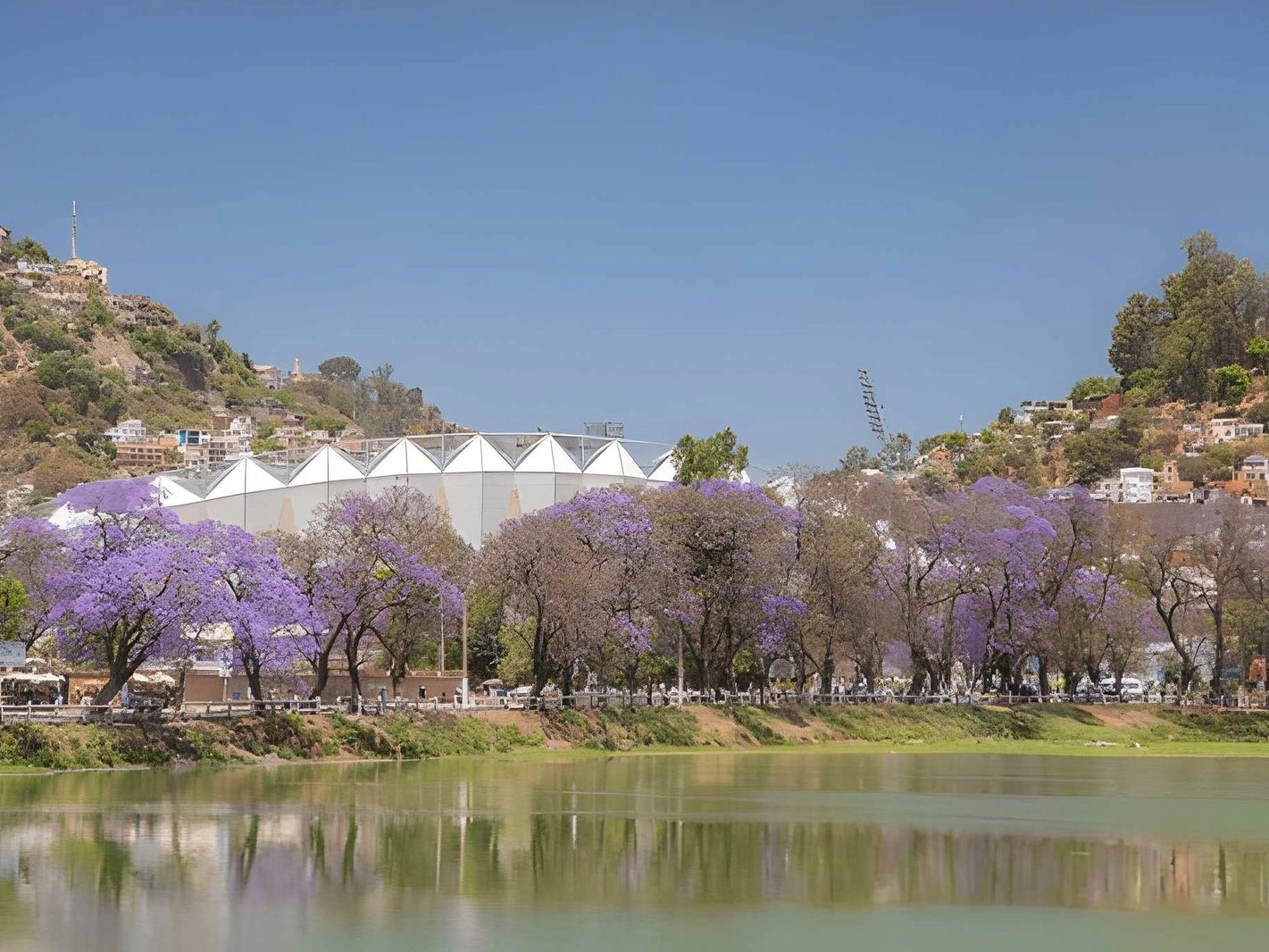
Long Stay Visa for Digital Nomads in Madagascar: Your Guide
Welcome Mada helps digital nomads get a long stay visa in Madagascar. This long stay visa lets remote workers live and work there legally for longer periods. The process can include the visa application, resident card steps, and move-in help that fits Madagascar’s rules. It gives digital nomads a clear legal path to stay in Madagascar while working remotely.
Why Digital Nomads Choose Long Stay Visas in Madagascar?
Digital nomads choose long stay visas in Madagascar for legal residency, access to local services, extended remote work permission, affordable living, and seamless relocation support. This option works well for people who want a steady base and need to follow local immigration rules.
Many people need help because the process can involve a lot of documents. Rules may also shift in practice, and your work status must match your stated reason for staying. A compliant path can lower risk later if you apply for a resident permit.
Many people call this route a Digital Nomad Visa in Madagascar. In practice, it often uses a broader residency permit path and local registration steps.
Key Features and Challenges of the Madagascar Long Stay Visa
The Madagascar long stay visa features include extended stay duration, eligibility for a resident card, and comprehensive relocation assistance; common challenges involve complex application procedures, local regulatory compliance, and language barriers. For most remote workers, the value is clear, but the process works best in the right order.
Key features that matter most to applicants:
Common challenges digital nomads face:
Step-by-Step Guide to Applying for a Long Stay Visa in Madagascar
Applying for a long stay visa in Madagascar involves submitting required documents, completing application forms, attending interviews if needed, securing a resident card, and complying with local immigration rules. The safest approach is to build your file early and treat the visa and residency steps as one process.
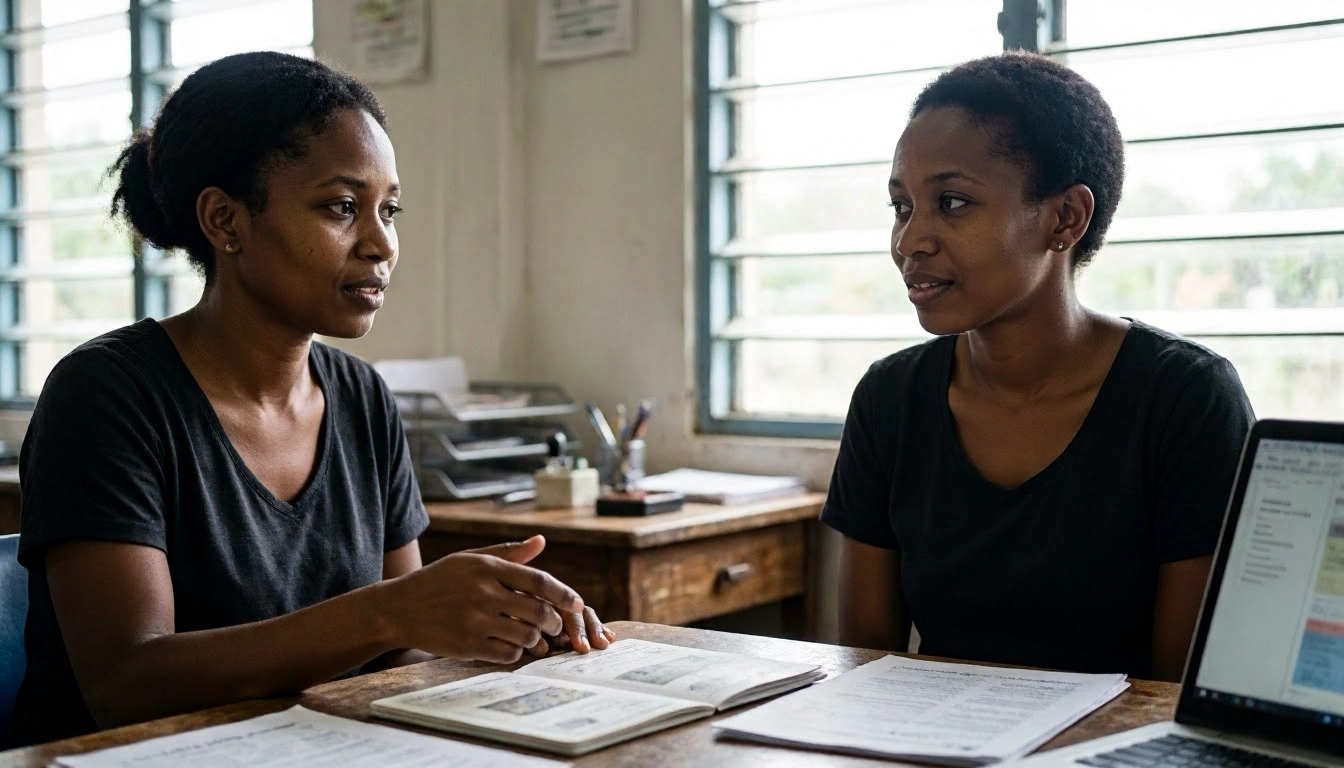
Our team helps applicants avoid delays by checking file details and guiding each stage. That support can cover the first filing, resident permit steps, and arrival tasks.
Understanding the Resident Card and Its Benefits for Digital Nomads
The resident card in Madagascar grants digital nomads legal proof of extended stay, access to local healthcare, banking, and other essential services, enhancing their ability to live and work smoothly. For many remote workers, it’s the document that brings real day-to-day stability.
A resident permit or card is often important because landlords, banks, and service providers may ask for local proof of status. The exact rights depend on your category, but the card usually helps with routine tasks in a way a short-entry stamp does not. It can show that your stay is lawful, current, and tied to your approved purpose.
For digital nomads, that matters when opening accounts, arranging healthcare, finding longer housing, or handling local registrations. It also helps show that you can work remotely from a stable base without confusion about overstays or repeat short entries.
The resident card is not a way around immigration rules. It works within the broader Madagascar immigration system, so your visa, timing, and compliance still matter. If your file is prepared well from the start, the card becomes useful instead of another hurdle.
Common Legal Requirements for Digital Nomads in Madagascar
Legal Services for digital nomads usually focus on lawful stay, lawful income, and correct registration. In practice, applicants often need a valid passport, a clear reason for staying, housing details, proof of foreign income, and documents that fit local format rules. Local language and document standards can cause simple mistakes, so careful review matters before filing. Remote workers should also know that a visa, a resident card, and remote work authorization questions are related but not always the same. We help clients line up those parts so their status works in daily life, not just at entry.
Tips for a Successful Long Stay Visa Application
Relocation Assistance Services Offered by Welcome Mada
Welcome Mada provides relocation assistance including visa processing support, accommodation guidance, local registration help, and cultural orientation tailored for digital nomads relocating to Madagascar. The goal is to connect immigration steps with the real work of settling in.
We also help clients understand how the Long-Stay Visa Application connects to later resident card steps. That helps keep the move legally sound from early planning through arrival and ongoing compliance.
Frequently Asked Questions
Related Resources
How a Long-Stay Visa Application Works in Madagascar
how does long stay visa application work in Madagascar
How It WorksHow the Transformable Visa to Resident Permit Process Works
how does a transformable visa work in Madagascar
How It WorksHow the Work Permit and Long-Stay Visa Process Works for Foreign Employees
how to get work permit and long stay visa in Madagascar
What It CostsLong Stay Visa Cost in Madagascar in Madagascar
long stay visa cost in Madagascar antananarivo